







Search Results for: fairness cup
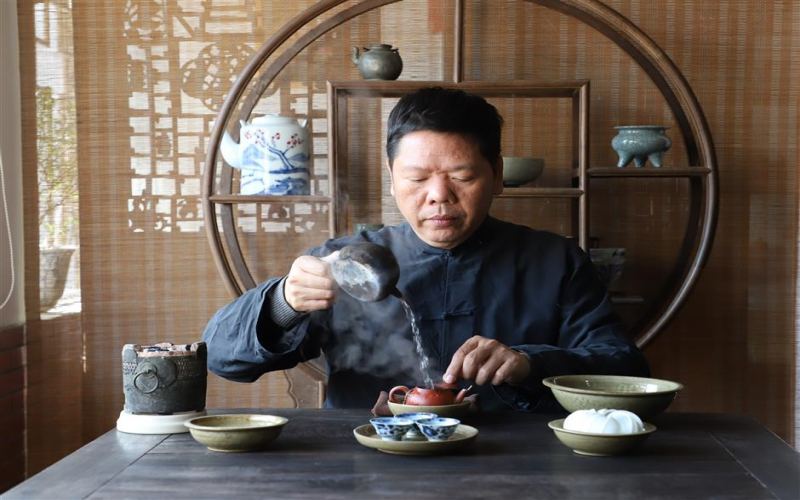
Analyzing the Differences in Gongfu Tea Brewing Between Chaoshan, Fujian, and Taiwan: From the Use of the Fairness Cup to Aroma Appreciation with the Fragrance Cup, and a Discussion of Mindfulness Practice in the Way of Tea
As the essence of Chinese tea culture, Gongfu tea has developed distinctive brewing systems across different regions. The Gongfu tea styles of Fujian and Taiwan appear more "inclusive" due to the introduction of the fairness cup (gongdao bei): the tea liquor is first poured from the lidded bowl (gaiwan) into the fairness cup, then distributed into tasting cups, ensuring consistent strength in every cup. Both regions also retain the aroma cup, a tall, slender vessel specifically used to capture the complex aromatic layers of oolong tea. The serving process is full of ritual: tea is brewed first, then decanted through the fairness cup, and afterward poured into the aroma cup, which is covered and flipped with the tasting cup; the host slowly lifts the aroma cup to let the guest appreciate the fragrance. Unfortunately, the aroma cup is no longer as popular in Fujian as it is in Taiwan. Fujian people brew Wuyi rock tea this way, while Taiwanese people use it for high-mountain oolong. Gongfu tea is not merely a brewing technique but a practice of mindfulness, sharing a spiritual core with yoga. This article will compare the similarities and differences of Gongfu tea across the three regions in depth, and share Front Street Coffee's understanding of tea ceremony practice. [more…]

Luckin Fair Isle Latte's alertness effect sparks debate: the combination of caffeine and tea polyphenols divides consumer reactions.
Luckin Coffee's recently launched Fair Isle Latte has quickly become a new favorite among some office workers and tea-coffee enthusiasts, thanks to its flavor reminiscent of Assam milk tea and its powerful energizing effect. However, a large number of "warning" posts have emerged on social media, with many consumers reporting that they couldn't sleep all night after drinking it, and even experiencing symptoms such as hand tremors, dizziness, and heart palpitations, with some seeking medical attention late at night. At the same time, netizens who were after an energizing effect tried it and said it had no effect at all, leaving them still sleepy. This starkly contrasting feedback has plunged this new drink, which blends espresso with Ceylon black tea, into controversy. This article will sort through the various viewpoints, explore the effects of differences in caffeine tolerance, and offer professional advice from Front Street Coffee. [more…]
A Guide to Ceylon Black Tea Brewing Ratios: From the Reasons for Its Introduction to the Development Path of Smallholder Organic Fair Trade
How many grams of Ceylon black tea should you use? This seemingly simple question is connected to the entire ecosystem of Sri Lanka's tea industry. This article starts with brewing ratios, traces the history of Ceylon black tea's introduction into China, and takes a deep look at how small tea farmers in Sri Lanka carve out a path of organic fair trade in the cracks between large tea estates. From IFOAM and Codex Alimentarius organic standards, to international certification systems such as Bio, USDA, and JAS, and to the protection of workers' rights by international fair trade organizations, you will see the strict checks a cup of Ceylon black tea goes through from cultivation to export, and you will also understand why the related products recommended by Front Street Coffee are worth paying attention to. [more…]
How Does Fair Trade Change the Fate of Coffee Farmers? The Flavor and Story of Ethiopian Natural Yirgacheffe Konga Wote Flower Beans
Yirgacheffe is one of Ethiopia's most renowned coffee regions, and behind this cup of floral and citrus notes lies a story of fair trade and smallholder farmers' struggles. This naturally processed Yirgacheffe from the Oromia Coffee Farmers' Cooperative not only carries the hopes of local coffee farmers to escape poverty, but also wins over countless coffee lovers with its G2 grade, organic certification, and richly layered flavors. This article will guide you through how the Oromia Cooperative grew against the odds during 30 years of low coffee prices, as well as the tasting profile and brewing suggestions for Front Street's Veda Flower beans. [more…]
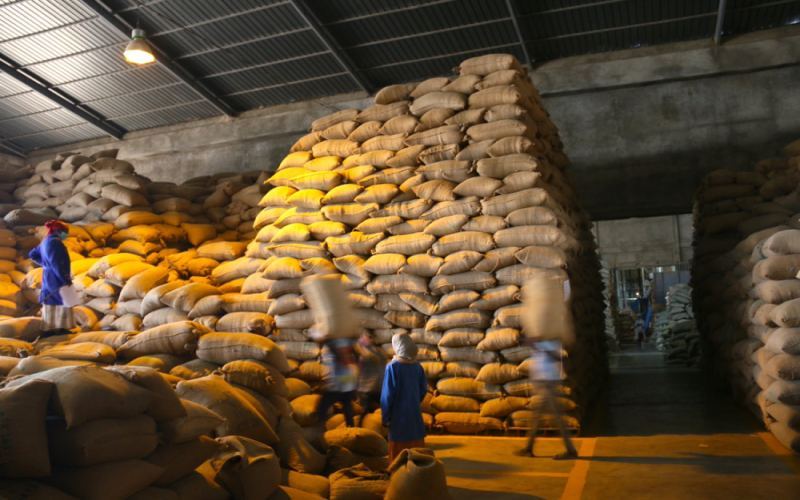
Ethiopia's Three Major Coffee Export Systems and the ECX Trading Mechanism: How Single-Farm Beans Like Hambela Hualukui Reach Overseas Markets
Ethiopia, as the holy land of specialty coffee, has a rather complex coffee export system. According to local regulations, coffee exports are divided into three major systems: ECX bidding, cooperatives, and single farms. Among these, cooperatives and single estates can bypass the ECX and export directly, offering relatively complete traceability. The ECX was founded by Eleni Gabre-Madhin in 2008, and through grading, warehousing, and real-time information, it transformed the trading circumstances of coffee farmers. However, what truly achieves 100% traceability is the single farm system that has risen in recent years. The Sidamo sun-dried Huakui is a representative work from the Hambela farm. This article will sort out the operational differences among the three systems, the trading logic of the ECX, the structure of the six major cooperative unions, and the significance of single farms to specialty coffee. Front Street will also continue to follow these origin developments, bringing coffee enthusiasts clearer origin knowledge. [more…]

Luckin scratch cards reveal prizes when held up to light, sparking consumer doubts over the fairness of the promotion
Luckin Coffee recently launched its final co-branding campaign of 2024, teaming up with Chu's Agriculture to introduce an improved version of the Chu Orange Latte and a series of merchandise, with a "New Joy Orange Scratch Card" included in designated bundles. The prizes are quite generous, including 500 vouchers for 99 free coffees, 2,000 vouchers for 66 free coffees, and 100,000 vouchers for 1 free coffee, while those who don't win can still receive a 48% off drink coupon. However, many consumers discovered that simply holding the unscratched back of the card up to a phone flashlight allows faint text beneath the coating to be seen through the light, revealing the prize without scratching it off. This discovery sparked widespread discussion about the fairness of the campaign, with some users worried that store employees might use this method to pick out the big prizes in advance, though Luckin employees came forward to deny such speculation. Front Street Coffee continues to follow developments in the coffee industry and brings you the latest news. [more…]
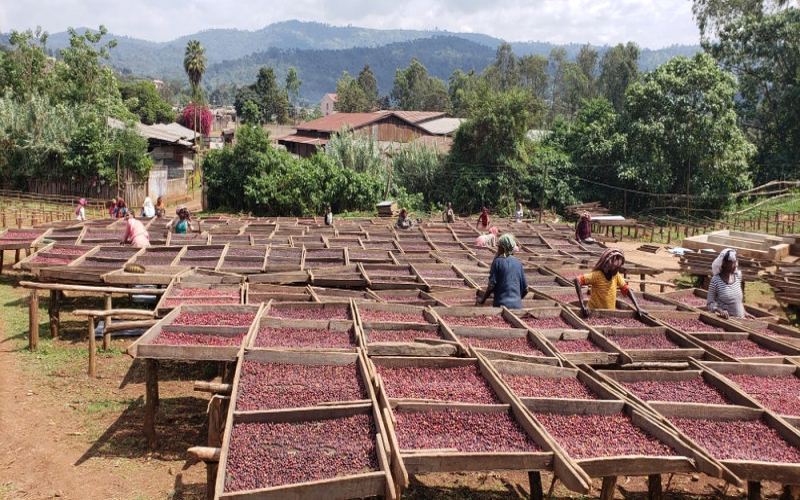
Yirgacheffe Konga Cooperative: A Comprehensive Analysis of Naturally Processed G1 Coffee under Fair Trade and Organic Certification
In the Yirgacheffe region of Ethiopia, the Konga Cooperative is a model organization that holds both fair trade and organic certification, with over two thousand smallholder farmers cultivating high-altitude land in the Gedeo zone. In this article, Front Street Coffee will take you deep into the Konga Cooperative's geographic background, soil advantages, its TOH sun-dried group championship honor, and the complete picture of the sun-dried G1 coffee from the Worka processing station—from cultivation, processing, roasting, cupping, and brewing—so you can experience this bean's complex juice-like mouthfeel and bright acidity. [more…]
Ethiopia Yirgacheffe Michelle Cooperative: A Complete Analysis of Fair Trade, Washed and Natural Processing, and Flavor
Ethiopia, as the birthplace of coffee, still has wild coffee trees harvested by farmers today. Despite long-term challenges such as poverty and drought, it remains one of the most important specialty coffee-producing countries in the world. This article focuses on the Michelle Coffee Cooperative in the Yirgacheffe region, outlining its origin background, membership scale, altitude conditions, and Fair Trade certification, while also analyzing the differences in aroma and flavor between Ethiopia's two major processing methods—washed and natural. The article also introduces the impact of the ECX trading system and the DST specialty trading mechanism on coffee farmers and buyers, and presents the specific flavor characteristics of the Michelle Cooperative's washed beans, including delicate layers of jasmine, bergamot, citrus, and berries, making it suitable for coffee enthusiasts to gain an in-depth understanding of Yirgacheffe's origin context and the terroir in the cup. [more…]
Analysis of Papua New Guinea Coffee Region Characteristics and HOAC Cooperative Bird of Paradise Bean Flavor
Papua New Guinea is located in the Pacific Ring of Fire, with fertile volcanic soil and high-altitude growing conditions, making it an emerging Arabica coffee origin. Local coffee is mainly produced by smallholders, with a solid flavor profile, low acidity, and a clean cup that suits Asian taste preferences well. Among them, the HOAC cooperative in the Eastern Highlands Province, by joining the Fair Trade organization, uses community development funds to build roads, improve healthcare and education, and upgrade wet-processing equipment, which not only improves coffee quality but also enhances market competitiveness. This article will walk you through the overall characteristics of Papua New Guinea coffee and take a deeper look at the flavor and mouthfeel of HOAC cooperative's Bird of Paradise coffee beans, along with recommendation information from Front Street Coffee. [more…]

A Complete Guide to African Coffee-Producing Countries: From Ethiopia to Tanzania, a Specialty Flavor and Origin Guide
Africa, as the continent of coffee's origin, nurtures coffee beans with highly distinctive flavors thanks to its unique climate and terrain. From Ethiopia's Yirgacheffe to Kenya's AA grade, and from Yemen's Mocha to Tanzania's Kilimanjaro, each producing region displays alluring fruit acidity and regional character. This article systematically reviews the cultivation history, varieties, processing methods, and flavor characteristics of Africa's major coffee-producing countries, and includes information on various cooperatives and representative bean lots, making it suitable for coffee enthusiasts who want an in-depth understanding of the full picture of African specialty coffee. [more…]
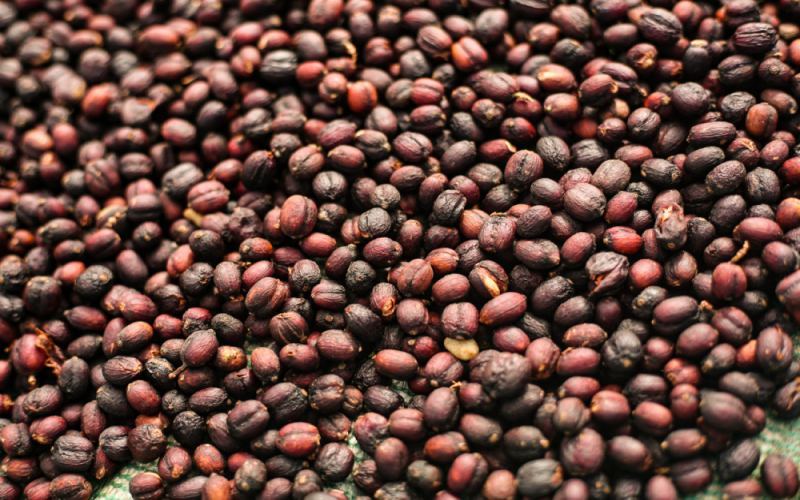
A Complete Guide to Ethiopian Coffee Varieties and Grading: Yirgacheffe Flavors and Front Street Coffee Pour-Over Parameters
Ethiopia, as a genetic treasure trove of coffee, has complex bean varieties and inconsistent bean sizes, yet this creates a unique flavor interwoven with bright fruity acidity and floral notes. From the perspective of Front Street Coffee, this article systematically reviews Ethiopian coffee cultivation and harvesting methods, the origins of Heirloom native varieties, the terroir characteristics of nine major specialty production regions, as well as the ECX trading system and the G1-G5 grading standards. It also explains in detail the flavor performance of representative beans such as Yirgacheffe, Sidamo, and Huakui, and includes Front Street Coffee's V60 pour-over parameters, helping enthusiasts fully understand the diverse charm of Ethiopian beans. [more…]
What Are the Prices of Rare Ceylon Black Tea Varieties? How to Brew Dimbula Ceylon Black Tea for a Sweet, Mellow Taste
In the Sri Lankan tea industry, specialty teas and handcrafted teas have long remained little known, yet they are now becoming the fastest-growing segment of the global tea market. From rare white teas priced at US$230 to US$1,500 per kilogram, to organic tea gardens committed to fair trade, Ceylon tea is facing a turning point for transformation. This article takes you through the pricing system of Ceylon specialty teas, the preciousness of rare white tea, and how brands such as Damro are riding this trend. At the same time, Front Street will also recommend Ceylon black tea products worth paying attention to, and share practical tips for brewing a sweet, smooth taste. [more…]
Ethiopian Coffee Beans | How Many Coffee Regions Are There in Ethiopia? Which Washing Stations and Cooperatives Produce Ethiopian Specialty Coffee?
As the birthplace of coffee, Ethiopia has always been a pilgrimage site for many coffee professionals. Many friends who come to Front Street Coffee ask as soon as they walk in whether we have Ethiopian beans, whether we have Yirgacheffe beans. Yes, whether for coffee beginners or coffee connoisseurs, Ethiopian coffee beans have that bright [more…]

Starbucks red cup distribution standards vary: some get them for free while others who buy more are denied, global users call for fair treatment
Every November, Starbucks red cups arrive as scheduled, becoming a tacit year-end ritual between fans and the brand. However, this year's Red Cup Day sparked controversy due to inconsistent execution standards across stores: some locations handed out the limited-edition cups freely and at random, while others imposed strict limits, refusing to give an extra cup even if you bought an additional drink. This left rule-abiding customers confused and feeling unfairly treated, and users back in China also called on the brand to treat everyone equally worldwide. This article takes you through the distribution chaos and customer sentiment behind this year's red cups. [more…]

Luckin's Pomelo C Series is hailed as a fat-burning miracle, but testing shows that although its calories are low, it raises blood sugar fairly quickly, so those trying to lose fat should be cautious.
After the Luckin Yuzu C series returned, it quickly became popular, and many people on social platforms have hailed it as a "fat-flushing miracle," with claims even circulating that "one cup can make you lose two jin." However, actual test data show that although a single cup of the Yuzu C series contains about 105 to 150 calories, blood sugar rises fairly quickly after drinking it, and the blood sugar increase of Yuzu C Iced Tea can reach 5.1 half an hour after a meal. In addition, the formula contains high-fructose corn syrup and white granulated sugar, so so-called 0 fat does not equal low sugar. For people who need to lose fat or control blood sugar, this drink may not only fail to help with weight loss, but may instead promote fat synthesis and increase hunger due to a large secretion of insulin. This article, combining netizen reviews and formula information, restores the true picture of the Luckin Yuzu C series. [more…]
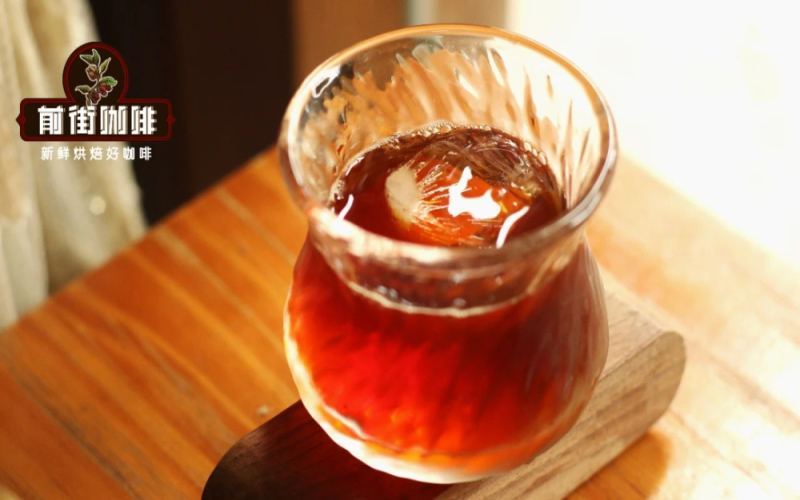
Summer Iced Coffee Brewing Guide: Four Iced Extraction Methods and Flavor Analysis of Front Street Coffee Gesha Village Chaka Beans
In the height of summer, a glass of ice-cold coffee always brings a uniquely refreshing experience. This time, Front Street Coffee has chosen the CHAKA sun-dried beans from Gesha Village and extracted them using four methods: hot pour-over, ice-fire brew, Japanese-style iced pour-over, and cold brew, to explore how the same beans express their flavors as temperature changes. Gesha Village CHAKA belongs to the estate's blended lot, composed of three varieties—Gori Gesha, Gesha 1931, and Illubabor. After a light roast, it presents a balanced profile of citrus, oolong tea, and cream. The different iced extraction methods bring out distinct layers of complexity, sweetness, and juiciness, making them well worth trying one by one for coffee enthusiasts. [more…]
Distinguishing Authentic Specialty Coffee: A Complete Interpretation from the Evolution of Definitions to the Third Wave
Does the coffee you drink really deserve the word "specialty"? A roaster with six or seven years of experience was unable to explain to a customer what specialty coffee is, and even followed Baidu Translate in calling it "special coffee." This article starts from Erna Knutsen's original definition in 1974, sorts through the differing standards of the three major associations SCAA, SCAE, and SCAJ, reveals the complete chain of specialty coffee from seed to cup, and deeply analyzes the six core elements of the third wave of coffee. Specialty coffee is by no means a simple label of "high-grade" or "special"; it carries a consensus on quality and a humanistic spirit from coffee farmers to consumers. [more…]

HEYTEA's barista job posting requiring a bachelor's degree sparks debate; store responds that promotions are not based solely on academic qualifications.
Recently, Heytea publicly recruited tea preparers at a job fair in Guangzhou, and the education requirement column conspicuously stated "bachelor's degree," sparking widespread discussion on social media platforms. An applicant revealed that the requirement was initially "associate degree," but was later changed to "bachelor's degree" with a sticker. Many netizens questioned: does shaking milk tea require a bachelor's degree? In response, a Heytea store stated that the tea preparer position places more emphasis on individual ability, education is not a hard threshold, and promotions are not based on education. After the incident gained traction, the education requirement on the recruitment notice was changed back to "no requirement." This recruitment controversy reflects the sensitive topic of the match between education and job positions in the current job market, and also prompts people to reconsider: where exactly is the professional threshold behind a cup of milk tea? [more…]
Types and Names of Tea Brewing Utensils with Illustrations: A Complete Guide from Kettles to Tea Pets
To brew a good pot of tea, understanding tea ware is the first lesson for beginners. In Lu Yu's tea art culture, predecessors used "TEA WARE" rather than "TEA TOOL" to refer to all utensils for brewing and drinking tea, which shows the pivotal position of tea ware in the way of tea. From the twenty-four items recorded in Lu Yu's "The Classic of Tea" in the Tang Dynasty to the four treasures of tea brewing in Ming and Qing Dynasties gongfu tea, the use of tea ware has long surpassed mere functionality and evolved into a tea ceremony ritual that is repeatedly performed and preserved. This article will systematically sort out the definition of tea ware under the cultural context of Taiwan, and introduce one by one the names, uses, and selection points of common utensils such as the water-boiling kettle, teapot, lidded cup, fairness cup, aroma cup, tasting cup, tea scoop, tea holder, tea strainer, tea knife, and tea pet. Whether you are a beginner just starting out or an enthusiast who wants to refine your tea skills, this comprehensive guide to tea ware can help you build a clear cognitive framework. [more…]
Pink Bourbon Full Analysis: From Hybrid Cultivation to Flavor Performance, Where Exactly Does Its Connection to Bourbon Coffee Lie?
Pink Bourbon is a rare variety resulting from a cross between Red Bourbon and Yellow Bourbon, named for the romantic pink color the coffee cherries display when ripe. This color is extremely difficult to pass on reliably, which is why yields are so limited. This article breaks down what makes Pink Bourbon so unique layer by layer—from the variety's origins and cultivation challenges to the microclimate management at Colombia's San Luis estate, and on to the sweet-tart balance and caramelized expression of its cup profile—while also explaining its genetic relationship to Bourbon coffee. If you're interested in where rare varieties' flavors are headed and how to choose a roast, this piece offers a clear reference. [more…]